
Unleashing Creativity: The Art and Science of Commercial Landscaping
Why First Impressions Matter: The Psychology of Landscape Design
The importance of first impressions cannot be overstated, particularly in the business world. The exterior of a commercial property is often the first point of contact with clients, customers, and employees. A well-designed landscape communicates professionalism, care, and attention to detail. Studies show that people subconsciously form impressions of a business within seconds, and landscape design plays a vital role in this process. The strategic use of color, texture, and layout can evoke emotions, set a welcoming tone, and reflect the company’s brand identity. Trees, plants, and other natural features can create a calming environment, while vibrant flower beds can energize the space, making it more inviting. Understanding these psychological variables can help businesses utilize landscaping as a tool to improve their overall image and customer satisfaction by creating an atmosphere that aligns with their values and mission.
Crafting Unique Experiences: The Intersection of Nature and Design
The integration of nature into urban environments has become increasingly important, as it enhances not only aesthetic appeal but also the overall functionality of the space. A professional commercial landscape company combines the principles of landscape architecture with an understanding of ecology, providing a cohesive design that respects and amplifies the natural environment. By employing native plants and sustainable methods, these companies can create unique experiences that differ dramatically from one location to another. The goal is to evoke a sensory experience: the sight of colorful blooms, the sound of rustling leaves, and the scent of fresh grass. These elements together foster a sense of place and create memorable surroundings. Such tailored landscapes do not simply beautify; they engage the community, promote well-being, and foster connection among occupants, making them an essential component in the creation of successful commercial spaces.
Sustainable Solutions: Eco-Friendly Practices in Commercial Landscaping
Green is the New Black: Sustainable Materials and Practices
In recent years, sustainability has emerged as a key driving factor behind landscape design. As environmental concerns heighten, businesses are expected to adopt eco-friendly practices in their operations, and landscaping is no exception. Professional landscape companies are now utilizing a variety of sustainable materials that reduce environmental impact while enhancing the beauty of outdoor spaces. This includes the use of permeable pavers that manage stormwater runoff, recycled materials for hardscaping, and organic fertilizers that promote soil health. Additionally, incorporating drought-resistant plants into designs not only conserves water but also reduces upkeep costs over time. Embracing sustainability is not just a trend; it’s an obligation. By choosing green practices, businesses can significantly improve their energy efficiency, reduce their carbon footprint, and attract eco-conscious customers who value sustainability in their purchasing decisions.
Creating Wildlife-Friendly Spaces: Embracing Biodiversity
Commercial landscaping also has the potential to make a significant contribution to local biodiversity. By designing outdoor spaces that welcome various forms of wildlife, a landscape can promote ecological stability while enhancing its visual appeal. This can mean creating pollinator gardens filled with native flowers to attract bees and butterflies or establishing bird-friendly trees and shrubs that provide habitat and food. Wildlife-friendly spaces not only enrich the ecosystem but also offer meaningful opportunities for employees and visitors to connect with nature. Furthermore, businesses can benefit from the educational aspects of such designs, positioning themselves as leaders in sustainable practices while generating awareness about the importance of conserving biodiversity in urban areas. In short, landscape companies that champion these ecological practices are not only enhancing their aesthetic output; they are contributing to the resilience and sustainability of local ecosystems.
Maximizing Functionality: Design Strategies for Versatile Outdoor Spaces
Multi-Use Areas: Merging Beauty with Utility
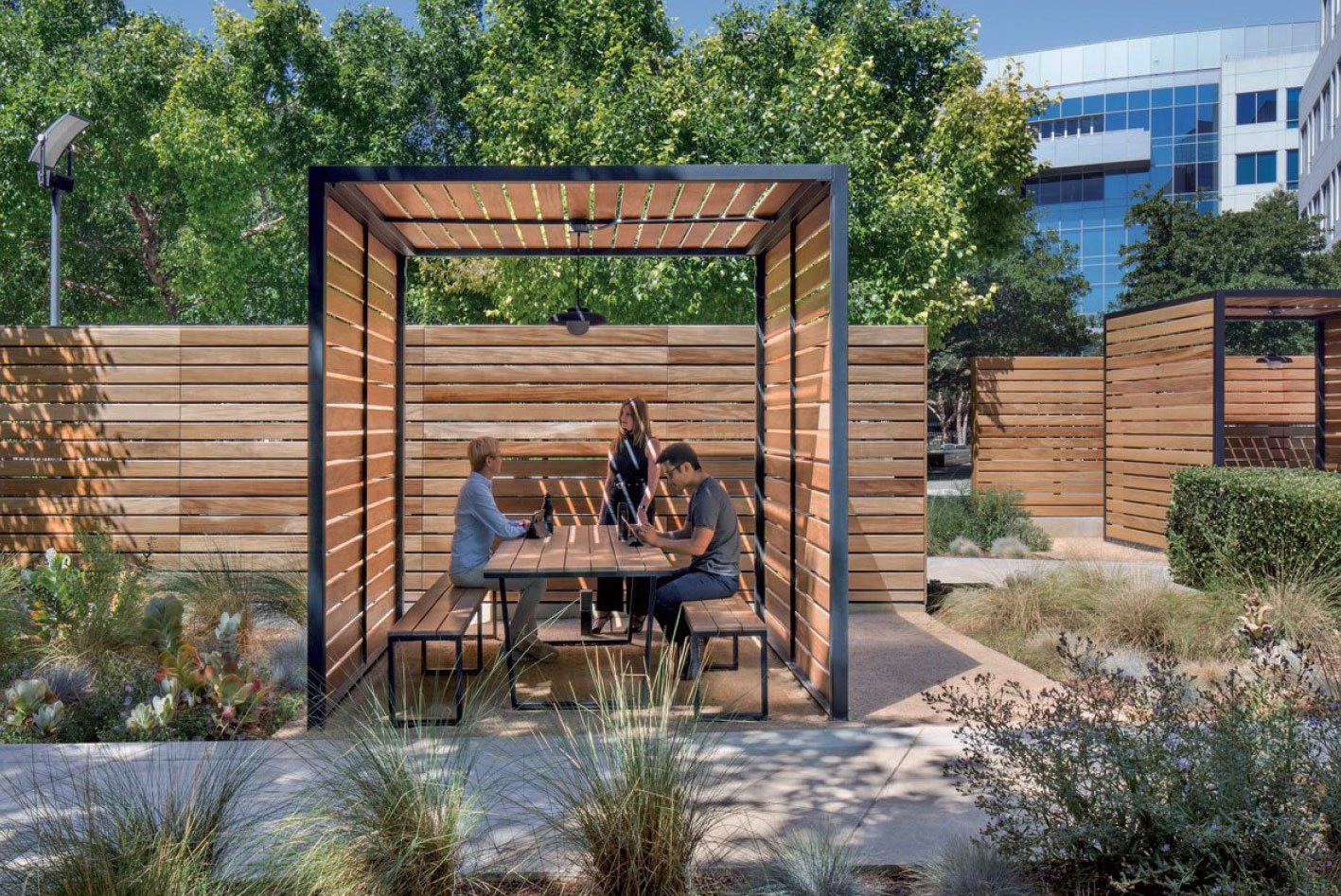
In today’s fast-paced society, flexibility and functionality are paramount in landscape design. Outdoor spaces are increasingly viewed as extensions of the indoor environment, serving multiple purposes from relaxation spots for employees to lively areas for corporate events. A professional commercial landscape company can apply design strategies that maximize the potential of these spaces. This often entails creating multi-use areas that balance aesthetics with practical utility. For instance, incorporating seating arrangements amidst lush greenery can create a serene environment for employee breaks while also serving as informal meeting spaces. Additionally, incorporating features like outdoor seating, fire pits, and water elements can enhance social interaction among employees and clients alike. Moreover, well-planned landscapes promote healthy work-life integration by providing employees an alternative space to recharge. Such synergy of beauty and utility reflects a modern understanding of how outdoor environments can significantly influence productivity and company culture.
Seasonal Adaptability: Designing for All-Year Engagement
Commercial landscapes should not only please the eye in blooming seasons; they must offer visual interest and usability year-round. Designing for seasonal adaptability means selecting plant species that provide color and texture throughout the changing seasons. For example, evergreen shrubs and trees maintain their green foliage while seasonal flowers provide bursts of color in the spring more while fall foliage offers stunning views in autumn. Additionally, incorporating innovative features like heated pathways, seasonal decorations, and adjustable landscaping elements can ensure that outdoor spaces remain engaging in all weather conditions. With foresight and thoughtful planning, businesses can create landscapes that remain functional and beautiful no matter the season, enticing employees and clients to enjoy these environments throughout the year while enhancing the perceived value of the property.
Choosing the Right Partner: What to Look for in a Professional Landscape Company
The Importance of Certifications and Experience: Ensuring Quality Work
Selecting the right landscape company can make a significant difference in the execution of your vision for an outdoor space. It is crucial to partner with a professional that possesses the necessary certifications and experience specific to commercial landscaping. When examining potential contractors, look for those accredited by reputable organizations such as the National Association of Landscape Professionals (NALP) or those holding state horticultural certifications. Such credentials demonstrate a commitment to industry standards and a deep understanding of landscape ecology. Moreover, a firm’s portfolio of previous work will offer insights into their ability to handle projects of varying scales and complexities, ensuring that they can meet your unique needs. Effective communication, project management skills, and responsiveness during collaboration are vital traits of seasoned landscape professionals. By prioritizing experience and credentials, businesses can mitigate risks and invest in quality workmanship that lasts.
Communication is Key: Collaborating for a Shared Vision
Effective communication with your landscape company is essential in crafting a successfully tailored outdoor environment. From the initial consultation to project completion, establish clear and open lines of communication that allow for feedback and adjustments as needed. A professional landscape company should be attentive, willing to listen to your ideas, and able to adapt their designs to incorporate your vision. You should feel comfortable discussing your expectations, goals, and budget constraints. Regular updates and transparency regarding the timeline and any challenges that may arise can foster trust and collaboration, ultimately leading to a more satisfying outcome. Remember that landscaping is not just about creating beautiful spaces, but also about building relationships and ensuring the final design aligns with your organization’s objectives and culture. In this partnership, a landscape company acts as both an artist and a consultant, guiding you through the process while respecting your input and vision.