
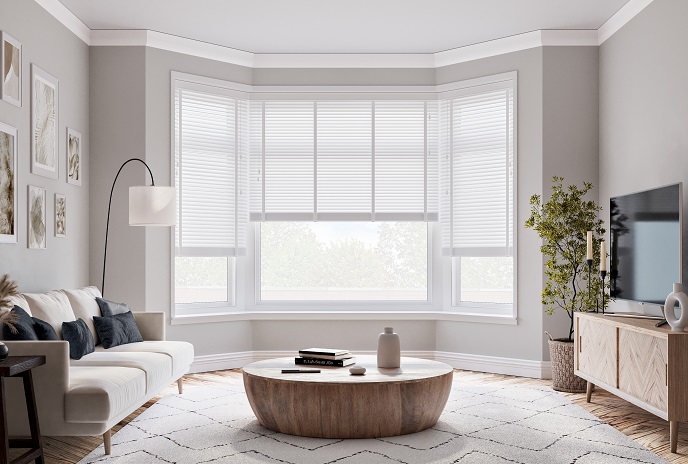
Designer selections help rooms gain steady composure through subtle shaping effects that influence every surface. Spaces respond differently to controlled brightness, creating measured depth throughout interconnected areas. Design discussions often highlight adaptive shading methods, especially when blinds central coast are referenced for enhanced room versatility. These touches help maintain clarity while still allowing a gentle sense of softness.
Light Flow Shaping Interior Mood
Light movement influences how each corner settles, offering clarity during transitional hours. Designers use thoughtful arrangements that let brightness shift smoothly without overwhelming surrounding elements. This creates a balanced impression that supports the overall mood of nearby features.
Structured Layers Guiding Window Control
Layering concepts help rooms adapt gracefully to shifting brightness. Subtle combinations allow surfaces to respond gently, keeping the atmosphere cohesive while preventing unnecessary harshness.
Blended Structural Cues
- Coordinated slats supporting directional control
- Soft-filter panels shaping measured brightness
- Matte finishes reducing unwanted glare
- Compact mechanisms allowing seamless alignment
- Textured edges guiding softened transitions
- Adjustable rails promoting steadier variations
These features work together to deliver smoother transitions across connected spaces. Small structural choices influence how light behaves, helping each area absorb shifts without losing harmony.
What Defines Smooth Illumination Shifts
What creates smooth transitions between varying degrees of light is often the subtle pacing that designers rely on during arrangement planning.Many rooms react differently depending on fabric density, angle precision, or placement height, creating unique interactions with surrounding shapes.Smooth shifts require balanced spacing and intentional adjustments that keep brightness from dominating one side.
Material Choices Framing Interior Feel
Materials influence the way brightness flows across surfaces, lending character to both narrow and broad layouts. Carefully chosen finishes shape atmosphere through layers that support consistent tone.
Material Selection Factors
- Woven fibers guiding softer reflection
- Neutral-toned panels balancing contrast shifts
- Sleek profiles coordinating gentle transitions
- Light-block textures reinforcing even distribution
- Micro-lined surfaces promoting calm diffusion
- Defined patterns supporting subtle alignment
Interior tones feel more unified when carefully paired blinds central coast reinforce the room’s overall expression.Different combinations bring clarity to broader walls and highlight fine details without disrupting surrounding areas.
Why Users Prefer Tailored Designs
Why do people lean toward well-tailored concepts rather than simpler shading setups?
Users often find that thoughtful choices offer richer character and more dependable alignment, especially when coordinating several windows at once.Tailored designs allow people to match room shapes more precisely, helping them maintain steadier brightness across multiple angles.This naturally builds a sense of confidence because each adjustment responds gently without creating abrupt changes.
Practical Elements Supporting Smart Selection
Users often ask how they can make better choices that feel aligned with the overall interior.They want options that are easy to manage yet still provide measured support for shifting brightness throughout the day.Practical elements include understanding room size, direction, furniture placement, and desired tone.Selecting based on these details helps each space maintain a composed visual rhythm while preventing harsh contrasts that might overpower surrounding features.
Coordinated Details Completing Room Character
Unified details help spaces capture a consistent identity, giving every surface a comfortable presence. Coordinated selections allow brightness to interact thoughtfully with walls, furnishings, and structural accents. Each adjustment contributes to an overall impression that feels steady without appearing rigid. The right balance lifts the room’s character subtly, creating a composed atmosphere that remains easy to enjoy from every angle.