
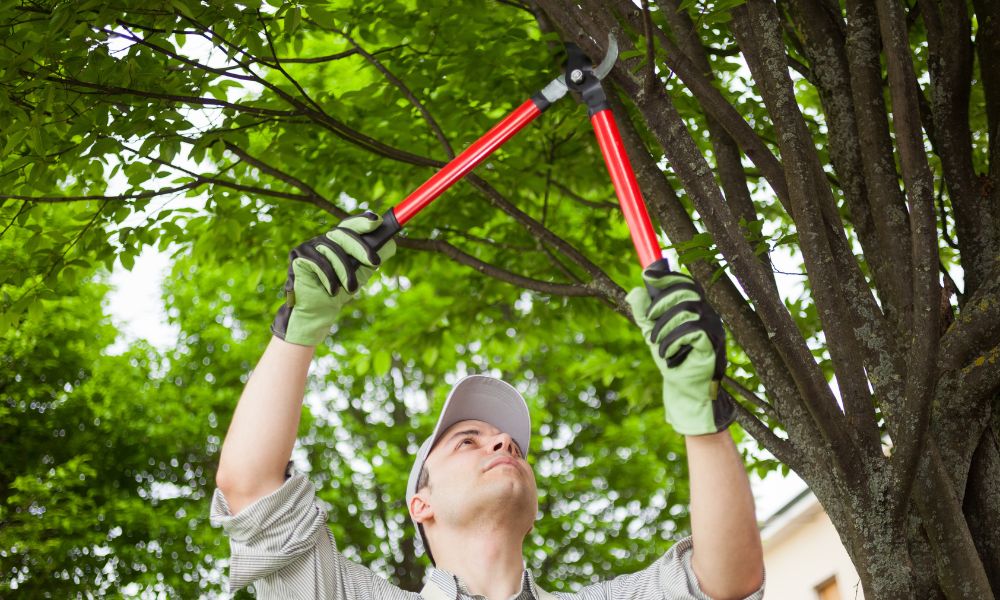
Weather can turn a relatively safe Pennsylvania yard into an unsafe space in no time. Strong winds, waterlogged ground and lightning strikes frequently cause large trees to lose strength near houses, sidewalks and power lines. Decisions need to be made in a split second when a tree unexpectedly falls over or what was once whole suddenly splits at the base.
Homeowners often fail to consider how compromised a damaged tree is from the force of a storm. Alternatively, even if the trunk is still alive, internal fibers may have already been damaged. That’s why it pays to know how emergency tree removal in Philadelphia, PA can help you to safely respond and save your home from severe damages.
When a Tree Becomes an Imminent Hazard
You don’t have to rush to rectify every broken branch. But there are some warning signs of more serious structural failure.
Watch for these red flags:
- Leaning tree 15 degrees or more.
- Huge cracks up and down the trunk.
- Lifted roots lifting the soil or alley/hall pavement.
- Branches, over roofs or driveways.
- Trees touching electrical wires.
- Trees shedding bark after they’re hit by lightning.
If any of these are present, the tree can fall without warning – even on a wind-free day.
Why Waiting Can Make It Worse
When the tree survives an immediate storm, people tend to put off cleanup because the tree “looks stable.” Sadly, gravity and rot keep conspiring against it.
Philadelphia has neighborhoods with older shade trees, some of them planted decades ago. They are of value, yet dangerous when damaged for their size. Waiting increases risk because:
- Soil dries and collapses around roots.
- Wood fibers weaken over time.
- Wind gusts return unexpectedly.
- Weight shifts toward structures.
Often times the experts recommend emergency tree removal in Philadelphia, PA for more than fallen trees, but also potentially hazardous ones.
What Homeowners Should Do First
Before you call for removal, do a little preventive work. Never try to trim or remove a damaged tree on your own.
Immediate steps:
- Move people and pets away from the vicinity.
- Turn off the electricity if lines are damaged (contact utility company).
- Do not park near the tree.
- Photograph damage for insurance documentation.
- Avoid walking under suspended branches.
Chainsaws and ladders control unpredictable tension in damaged limbs. A branch can snap back very hard if cut in the wrong way.
How The Pros Safely Cut Down Dangerous Trees
There is a difference between having an emergency tree removal and having something like regular tree trimming performed. Crews check structural tension, weight balance and the direction of a log’s fall before making the initial cut.
Typical process includes:
- Making unstable parts of the body steady using ropes and climbing out.
- Cutting hanging limbs off one by one.
- Dissecting the coffee trunk from head to toe.
- Protecting roofs, fences, and landscaping.
- Grinding the stump if necessary.
With narrow streets and old houses, emergency tree removal in Philadelphia, PA is usually performed using climbing and rigging instead of machines.
Insurance and Property Responsibility
Many homeowners worry about coverage. In the US, insurance generally covers removal only if the tree lands on a structure such as:
- A house.
- A garage.
- A fence blocking access.
- A driveway preventing vehicle use.
Preventing Future Emergencies
Not all storm-related damage can be prevented, of course, but maintenance reduces the risk.
Smart prevention habits:
- Annual pruning of weak branches.
- Removing deadwood early.
- Inspecting roots after heavy rain.
- Monitoring leaning trees each season.
- Avoiding soil compaction around trunks.
Conclusion
Trees damaged by storms bring immediate risk to heavily populated areas. Fast assessment, prompt precautions and professional orderly conduct protects both property and lives. Knowing when to take action allows homeowner react proactively instead of reacting in desperation.
Local companies such as Pinecrest Tree Services often teach residents how to identify hazardous conditions and how to make appropriate decisions in the aftermath of a storm. Even when nature takes a turn for the unpredictable, awareness and preparation are the most foolproof ways to keep safe.