

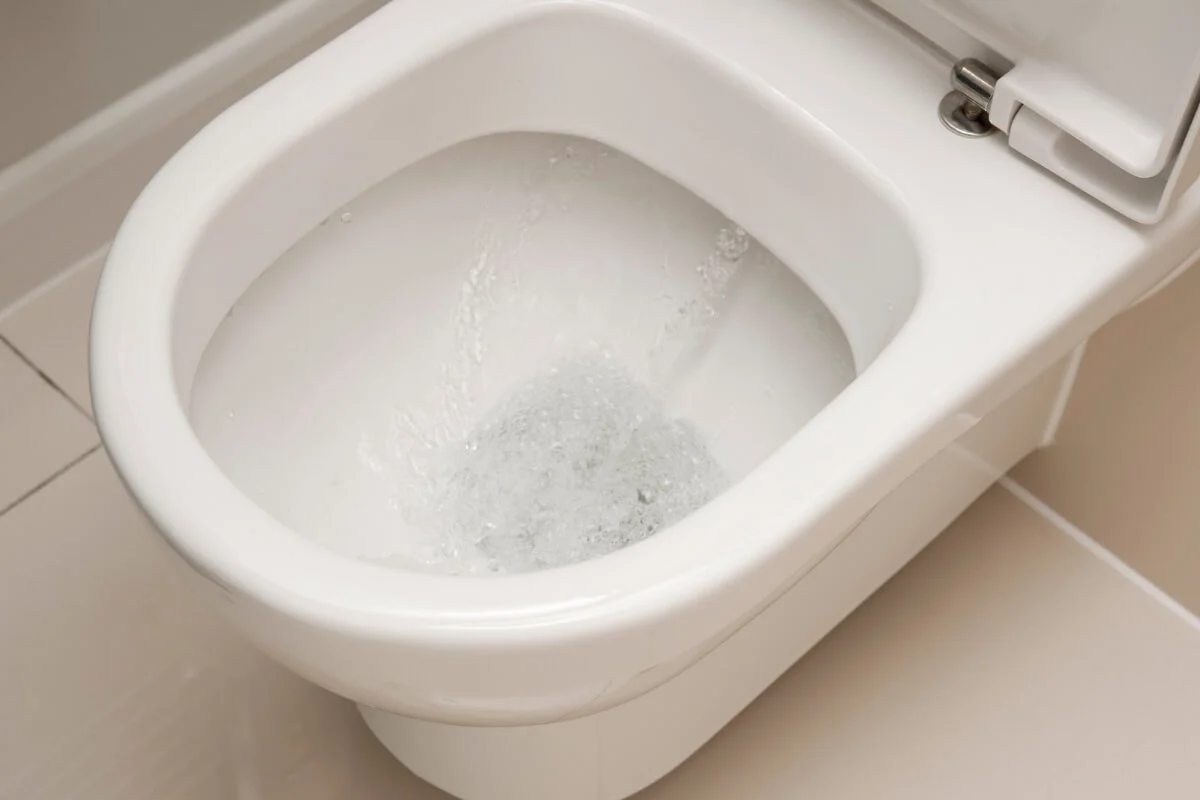
A toilet not flushing is more than just an inconvenience — it can disrupt daily routines and signal underlying plumbing issues. Whether your toilet is not flushing all the way, not flushing well, or you’re repeatedly asking yourself why is my toilet not flushing, the problem usually comes down to a few common causes. Understanding how a toilet flush works makes it much easier to identify what’s going wrong and what you can do about it.
How a Toilet Flush Is Supposed to Work
When you press the handle, water from the tank rushes into the bowl, creating a siphoning effect that pulls waste through the trap and into the drain. If any part of this process is interrupted — water level, flow speed, or airflow — the toilet may not flush properly. That’s why even a small malfunction can result in a weak or incomplete flush.
Clogs: The Most Frequent Reason a Toilet Won’t Flush
One of the most common reasons for a toilet not flushing properly is a partial or complete clog. Even if the bowl eventually drains, a blockage in the trap or drain line can prevent the toilet from generating enough suction. Excess toilet paper, wipes, feminine products, or even small household items are frequent culprits.
A plunger is often enough to clear minor clogs, but persistent problems may indicate buildup deeper in the drain. If plunging doesn’t improve the flush, the obstruction may be beyond the toilet itself.
Low Water Level in the Tank
A toilet that is not flushing all the way often doesn’t have enough water in the tank. The flush depends on a strong surge of water, and a low tank level simply can’t deliver it. This issue may be caused by an improperly adjusted float, a partially closed supply valve, or a malfunctioning fill valve.
When the tank doesn’t refill fully after each flush, the result is a weak flush that struggles to clear the bowl.
Worn or Faulty Flapper
The flapper controls how much water is released from the tank into the bowl. If it’s cracked, stiff, or not sealing correctly, water may leak slowly instead of releasing in one strong rush. This is a very common reason a toilet not flushing well feels inconsistent — sometimes it works, sometimes it doesn’t.
A failing flapper also causes the tank to refill more often than normal, which can be a warning sign you shouldn’t ignore.
Flush Handle and Chain Problems
If pressing the handle feels loose or unresponsive, the issue may be mechanical rather than hydraulic. The chain inside the tank must lift the flapper fully and stay raised long enough for a complete flush. If the chain is too long, tangled, or disconnected, the flapper may close too quickly, cutting the flush short.
This can make it seem like the toilet is flushing, but without enough force to do its job.
Blocked Rim Jets and Siphon Jet
Over time, mineral deposits and scale can clog the small rim jets under the toilet bowl’s edge. These jets direct water into the bowl during a flush. When they’re blocked, water flow becomes uneven and weak.
A blocked siphon jet at the bottom of the bowl can be even more problematic. This jet helps initiate the siphoning action, and if it’s restricted, you’ll notice sluggish or incomplete flushes even when everything else seems fine.
Venting and Drain Line Issues
If you’ve ruled out tank and bowl problems and your toilet is still not flushing properly, the issue may be related to venting or the main drain line. Plumbing vents allow air into the system so waste and water can move freely. A blocked or poorly functioning vent can disrupt the pressure balance, leading to weak flushes or slow drainage.
Drain line issues are especially likely if multiple fixtures in your home are draining slowly at the same time.
How to Prevent Future Flushing Problems
Preventive maintenance goes a long way in avoiding flushing issues:
• Only flush toilet paper — avoid wipes and hygiene products
• Clean the bowl and rim jets regularly to prevent mineral buildup
• Check the tank components occasionally for wear or misalignment
• Address weak flushes early before they become major blockages
When to Seek Professional Help
If you’ve tried basic troubleshooting and your toilet not flushing problem persists, it may be time for a professional inspection. Persistent flushing issues often indicate deeper plumbing concerns that are best addressed early to avoid costly repairs later.
A properly functioning toilet should flush smoothly, quietly, and completely every time. When it doesn’t, understanding the cause is the first step toward a reliable, long-term solution.