

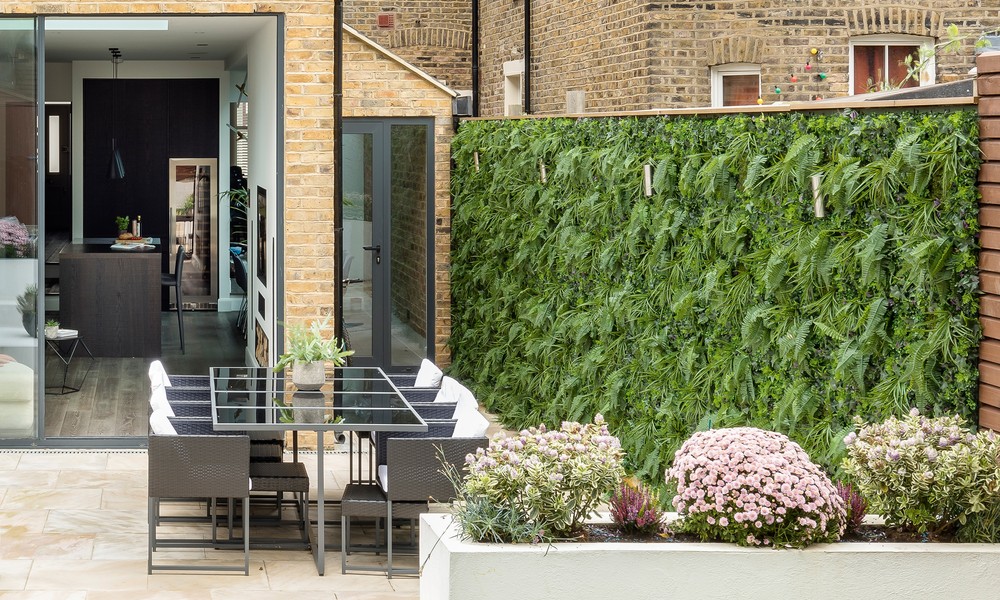
Ask anyone who has sold a house recently what they would change in hindsight and the answer is rarely dramatic. It is usually something simple that they underestimated. Very often, that thing is the garden boundary. I hear it regularly from homeowners across York who only realised too late how much their fencing affected buyer perception. Many people now start by looking at York Fencing long before they list their home, because they have seen what tired, leaning, or mismatched fencing does to first impressions.
After decades working as a fencing contractor, I can say with confidence that fencing is one of the most overlooked pre-sale upgrades. It is not glamorous. It does not trend on social media. But it quietly shapes how buyers feel the moment they step outside.
Why fencing influences buyers more than sellers expect
Most sellers view fencing as background. It is something that is already there, so it fades into the scene. Buyers do not have that familiarity. They see the boundary fresh, with no emotional attachment.
A fence that leans, rattles, or looks patched together sends a message. It suggests age. It suggests future work. It suggests cost.
Buyers may not mention it explicitly, but it feeds into their overall judgement of the property.
First impressions are formed in seconds
The moment a buyer walks into the garden, they take in the whole space. Lawn, patio, planting, and boundary all register at once.
A clean, straight fence makes the garden feel cared for. A tired fence makes even a well-kept garden feel unfinished.
I have stood in countless gardens where everything looked good until your eye hit the fence line. That single detail shifted the feel of the space.
Why boundary condition signals maintenance habits
Buyers often read fencing as a proxy for how the rest of the property has been maintained.
If the fence is leaning, boards are missing, or posts are rotting at ground level, buyers assume similar shortcuts elsewhere.
This does not mean the assumption is fair. It means it happens.
Replacing or upgrading fencing removes that doubt before it forms.
The cost fear buyers rarely say out loud
Buyers think in terms of future expense. Even if they like a house, they are mentally subtracting costs.
A fence that looks close to the end of its life triggers a calculation. Materials. Labour. Disruption. Neighbour discussions.
That calculation can influence an offer, even if it is never discussed.
Why sellers often leave fencing too late
Sellers delay fencing upgrades for a few reasons.
They have lived with the fence for years and stopped noticing it.
They assume buyers will change it anyway.
They do not want to spend money so close to selling.
The problem is that buyers do not always see fencing as optional. They see it as immediate work.
The upgrade that pays back emotionally, not just financially
Fencing upgrades rarely add a neat figure to the sale price. They add confidence.
A buyer who feels comfortable and relaxed in the garden is more likely to engage emotionally with the property. Emotional engagement drives decisions.
I have seen modest fencing upgrades change how long a property stays on the market, even if the asking price stays the same.
Why privacy matters more during viewings
Privacy plays a big role during viewings. Buyers imagine themselves living there. Sitting outside. Having friends over. Letting children play.
If they feel overlooked or exposed, that vision collapses quickly.
This is why many sellers wish they had addressed privacy fencing before listing, especially now that outdoor space is used more than ever.
The common fencing issues buyers notice immediately
There are a few problems buyers spot without trying.
Leaning posts
Uneven top lines
Gaps between boards
Rotted gravel boards
Loose panels that rattle when touched
These issues suggest age and instability, even if the fence is technically standing.
Why partial repairs rarely impress buyers
Some sellers try to patch things up. One new panel. A quick brace. A fresh coat of treatment.
This often makes things worse visually. New panels highlight old ones. Repairs draw attention to the problem.
From a buyer’s perspective, patchwork fencing looks like deferred maintenance rather than improvement.
The fence height question buyers always assess
Fence height affects how enclosed a garden feels. Too low and privacy suffers. Too high and the space can feel boxed in.
Buyers assess this instinctively. They imagine where they would sit, where neighbours can see, and how light moves through the space.
A well-balanced fence height supports that mental picture without feeling defensive.
How soil movement undermines confidence
In York, soil conditions matter. Clay soil moves with moisture and temperature. Posts that were set too shallow often lean over time.
Buyers may not know why a fence leans, but they notice that it does.
I usually install posts at around 600mm to 750mm depth to reduce movement. Older fences often sit shallower, which is why movement becomes visible during viewings.
Why straight lines suggest quality
A straight fence line communicates care and competence. It feels deliberate.
When lines ripple or sag, buyers sense something unfinished or poorly done.
This reaction is not technical. It is instinctive.
How modern buyers view garden boundaries
Buyers now see gardens as living space, not just outdoor storage. Boundaries shape how usable that space feels.
A strong, neat fence makes the garden feel like an extension of the home. A weak boundary makes it feel temporary.
This shift in mindset has made fencing more important in the selling process.
The mistake of assuming buyers will replace fencing anyway
Many sellers assume buyers will change fencing to suit their taste. Sometimes they do. Often they do not want to.
Buyers prefer move-in-ready spaces. Even if they plan changes later, they want time before tackling them.
A fence that needs immediate work becomes a negative rather than an opportunity.
Why repairs still matter in the right situation
Repairs can work if the structure is sound and issues are localised. A single damaged panel or a loose fixing can be addressed effectively.
Understanding when repairs are worthwhile is important. Many sellers review fence repairs to decide whether repairs will present well or simply draw attention.
If posts are moving or timber is soft at ground level, repairs rarely change buyer perception.
The value of consistency along the boundary
Buyers respond well to consistency. Matching panels. Even spacing. Uniform height.
Mixed styles, mismatched panels, and uneven finishes suggest piecemeal work over time.
Replacing fencing as a single, coherent run often transforms how the garden feels.
How fencing upgrades reduce negotiation pressure
A solid, attractive fence removes one more point of negotiation. Buyers have fewer reasons to push the price down.
Even if fencing is not discussed, its condition influences overall confidence.
Sellers who upgrade fencing often report smoother negotiations.
When timing the upgrade makes sense
The best time to upgrade fencing is before listing, not during viewings. It avoids disruption and allows the fence to settle visually.
Doing it early also means any minor soil movement or adjustments happen before buyers see the property.
Planning rather than reacting always produces better results.
Why estate agents notice fencing more than sellers think
Estate agents see patterns. They know which details slow viewings and which details help.
Many agents quietly advise sellers to address fencing early, especially in properties where gardens are a key selling feature.
The advice is based on experience, not aesthetics.
How fencing supports the story a property tells
Every property tells a story. Well maintained fencing supports a story of care, stability, and pride.
Neglected fencing tells a story of shortcuts and future expense.
Buyers read these stories quickly.
Why sellers often regret skipping this upgrade
After a sale, hindsight kicks in. Sellers see photos. They remember comments. They recall moments when buyers lingered or hesitated.
Fencing often comes up in those reflections.
It is one of the few upgrades that sellers regularly say they wish they had done sooner.
Why garden fencing is now part of pre-sale planning
More homeowners now include fencing in their pre-sale checklist. They treat it like paintwork, roofing, or drainage.
Those exploring garden fencing before selling are usually thinking ahead, not reacting to failure.
The boundary upgrade that quietly changes outcomes
From decades working across York, it is clear why fencing is the upgrade so many people wish they had done before selling. It sets the tone for the garden. It shapes buyer confidence. And it removes one more reason for doubt. A good fence does not shout for attention. It simply makes everything else feel right.