
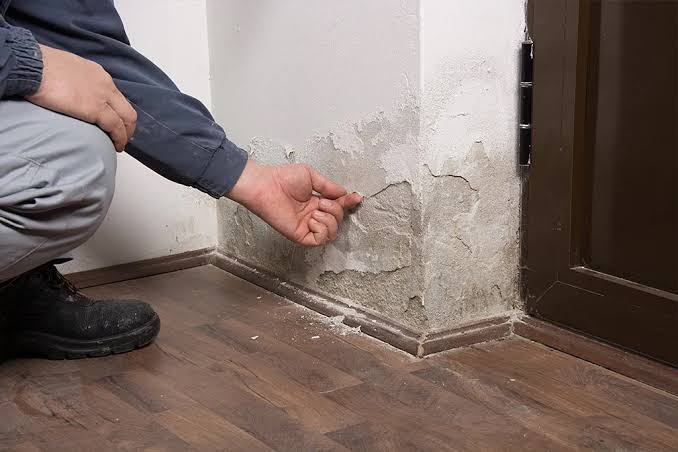
A rented home should be safe, secure, and suitable to live in. When problems such as damp, leaks, broken heating, faulty wiring, or damaged windows are left unresolved, they can affect a tenant’s comfort, health, and daily routine. These issues are commonly referred to as housing disrepair.
Recognising a repair problem early and reporting it properly can make a major difference. Tenants should understand what to document, how to communicate with their landlord, and what steps may be available if repairs are delayed.
What Is Housing Disrepair?
Housing disrepair refers to a property condition that needs repair or maintenance and may affect the safety, use, or condition of a rented home. Common examples include:
- Damp, mould, and condensation caused by a property defect
- Leaking roofs, pipes, or ceilings
- Broken heating or hot-water systems
- Unsafe electrical wiring or faulty sockets
- Damaged doors, windows, or locks
- Problems with sinks, toilets, drains, or baths
- Structural issues, such as cracks or unsafe staircases
In England, landlords are generally responsible for maintaining the property’s structure and exterior, heating and hot water, sanitary fittings, and certain gas and electrical systems.
However, responsibility can depend on the cause of the damage and the tenancy agreement. For example, a tenant may be responsible for damage caused by themselves, household members, or visitors.
Why It Is Important to Report Problems Promptly
Small repair issues can become more serious if they are ignored. A minor leak may lead to damp, mould, damaged belongings, or weakened plaster. A heating problem can be particularly difficult during colder months, while unsafe electrical faults may need urgent attention.
Report the issue to your landlord or letting agent as soon as possible. Written communication is helpful because it creates a clear record of when the problem was raised. In your message, explain:
- What the issue is
- When you first noticed it
- How it affects the property or your household
- Whether the problem appears urgent
- Any steps you have taken to prevent further damage
If possible, include dated photographs or videos. Keep copies of emails, letters, text messages, and repair appointments. These records may be useful if the problem continues or you need to show what has happened over time.
Dealing With Damp and Mould
Damp and mould should never be dismissed as merely a cosmetic problem. It can damage walls, furnishings, and clothing, while also making a home feel uncomfortable. The cause may be condensation, a leak, poor ventilation, defective roofing, or another issue with the property.
Government guidance states that landlords should investigate the underlying cause of damp and mould, rather than simply removing surface mould.
When reporting damp or mould, take clear photographs and note where it appears. Mention any related symptoms, such as a musty smell, peeling paint, wet walls, or recurring black mould. This helps the landlord or agent understand the full extent of the issue.
What to Do If Repairs Are Delayed
Start by following up in writing and asking when the repair will be completed. Be clear, polite, and specific. If the fault poses an immediate risk, such as exposed wiring, a serious leak, loss of heating, or a dangerous structural problem, make this clear in your report.
For ongoing or serious problems, you may wish to seek independent support. Information about Housing Disrepair can help tenants understand their options and decide what practical next step may be appropriate for their circumstances.
In England, tenants may also contact their local council’s environmental health or housing department if they believe a property has serious health or safety hazards. Government guidance advises tenants to continue paying rent while repairs are being addressed, unless they have received appropriate professional advice.
How Tenants Can Help the Repair Process
Tenants should report issues promptly, take reasonable care of the property, and allow access for inspections or repairs when proper notice has been given. Landlords normally need to provide at least 24 hours’ notice before entering a tenant’s home, except in an emergency.
Good communication can prevent misunderstandings. If an appointment is missed or a repair does not solve the problem, notify the landlord or agent again and keep a written record.
FAQ
What repairs is a landlord usually responsible for?
A landlord is generally responsible for the property’s structure and exterior, heating, hot water, sanitary fittings, and certain safety-related repairs. The exact responsibilities can depend on the tenancy agreement and how the damage occurred.
Should I stop paying rent if repairs are not completed?
Do not stop paying rent without proper advice. Tenants are generally expected to continue paying rent while a repair issue is being dealt with.
What evidence should I keep for a repair problem?
Keep dated photographs, videos, copies of messages, letters, emails, repair reports, and notes of any visits or appointments.
Can I contact the council about serious disrepair?
Yes. If a serious repair problem is not resolved, your local council’s housing or environmental health department may be able to assess the issue.
Conclusion
Housing disrepair can make a rented home difficult or unsafe to live in, but early action can help. Report problems in writing, keep clear evidence, and follow up when repairs are delayed. Knowing your responsibilities and seeking appropriate support can help you take a more confident next step.