
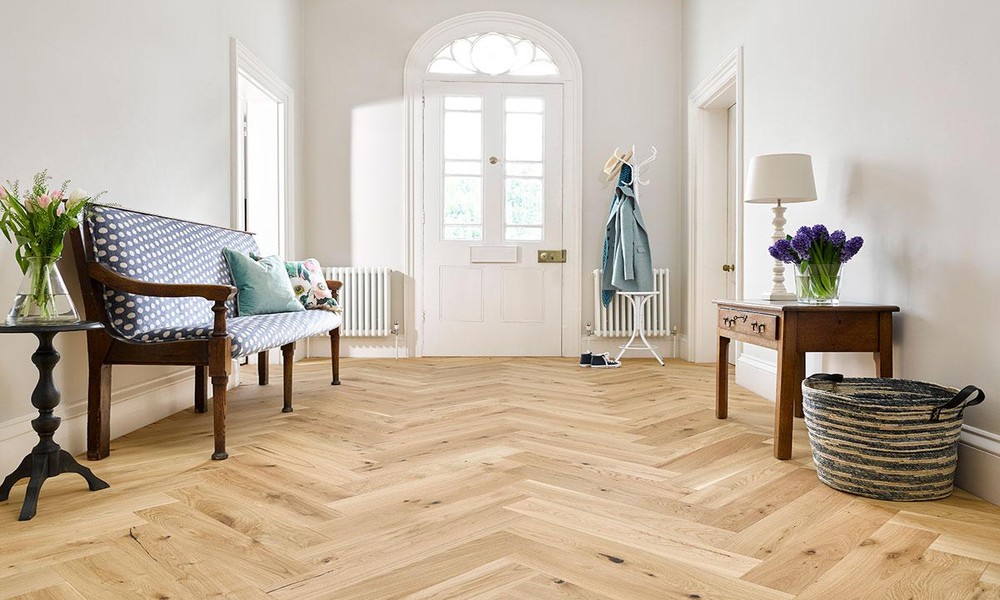
Choosing the right flooring is one of the most important decisions in any home improvement project. In the UK, where properties range from period homes to contemporary new builds, engineered oak flooring has become a popular choice for its balance of practicality and style. Combining the natural beauty of oak with modern construction techniques, it offers a durable and versatile solution for a wide range of interiors.
What Is Engineered Oak Flooring?
Engineered oak flooring is made from multiple layers of wood, with a real oak top layer bonded to a stable core. This construction improves stability while maintaining the authentic look and feel of solid oak.
Typically, it consists of:
- A hardwood oak surface layer
- A multi-layer plywood or softwood core
- A backing layer for additional strength
This layered design helps reduce movement caused by temperature and humidity changes, making it particularly suited to UK homes.
Stability for Changing Conditions
One of the main advantages of engineered oak flooring is its resistance to expansion and contraction. The UK’s fluctuating climate, especially between seasons, can affect traditional solid wood flooring.
Engineered boards are designed to handle:
- Central heating systems
- Underfloor heating setups
- Variations in humidity levels
This makes them a reliable option for both older properties and modern homes with advanced heating systems.
A Natural Oak Appearance
Despite its engineered construction, the visible surface is real oak, meaning homeowners still benefit from the classic aesthetic associated with hardwood flooring.
Visual benefits include:
- Authentic wood grain and texture
- A wide choice of finishes, from light to dark tones
- Compatibility with both traditional and contemporary interiors
Engineered oak flooring allows homeowners to achieve a high-end look without compromising on practicality.
Durability and Longevity
Engineered oak flooring is designed for everyday living. Its layered construction provides strength and resistance to wear, making it suitable for busy households.
It performs well in:
- Living rooms and hallways with heavy foot traffic
- Kitchens where durability is important
- Open plan spaces requiring consistent flooring throughout
Many engineered boards can also be sanded and refinished, extending their lifespan even further.
Easier Installation Options
Compared to solid wood flooring, engineered oak is often quicker and easier to install. Many systems use click lock or tongue and groove methods, reducing installation time and complexity.
Benefits of this include:
- Faster project completion
- Reduced labour costs
- Flexibility for different subfloors
This makes it an appealing option for both professional installations and experienced DIY projects.
Frequently Asked Questions
Is engineered oak flooring as durable as solid wood?
Yes. In many cases, it is more stable and resistant to environmental changes, making it highly durable for everyday use.
Can it be used with underfloor heating?
Engineered oak flooring is often compatible with underfloor heating systems, provided installation guidelines are followed.
Does engineered oak flooring look different from solid oak flooring?
No. The top layer is real oak, so it offers the same natural appearance and texture.
How long does engineered oak flooring last?
With proper care, it can last for decades, especially if the surface layer is thick enough for refinishing.
Final Thoughts
Engineered oak flooring offers an ideal combination of natural beauty, durability, and practicality for flooring in modern UK homes. Its ability to withstand changing temperatures and humidity, along with easier installation and long term performance, makes it a versatile choice for a wide range of interior spaces.
For homeowners seeking a balance between traditional aesthetics and modern functionality, engineered oak flooring provides a reliable and stylish solution.