
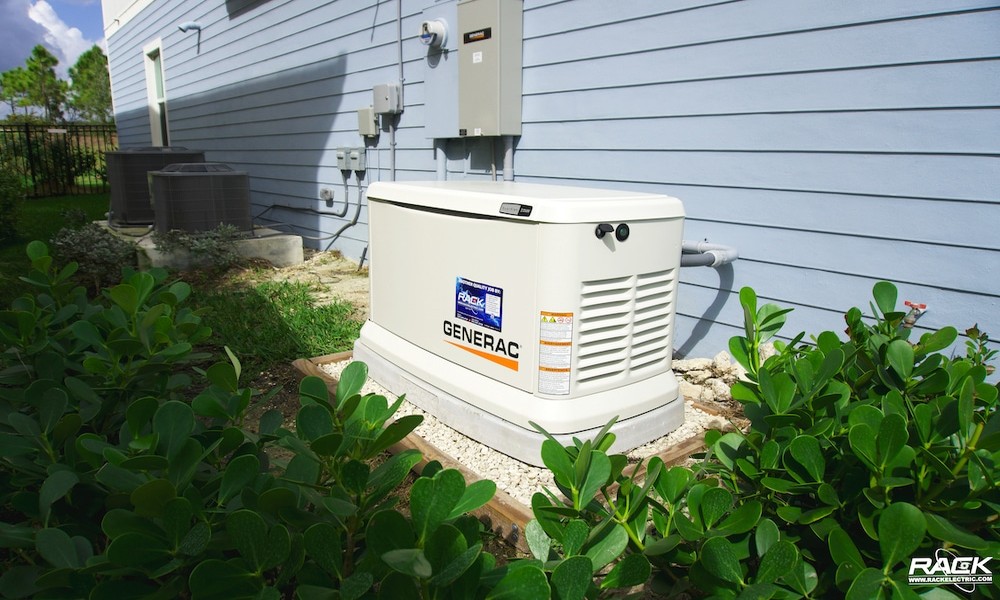
Power outages in Central Texas aren’t just an inconvenience-they can disrupt businesses, damage electronics, and make homes uncomfortable fast. That’s why more homeowners are investing in Standby Generator Installation. But in a city like Austin, installing a whole-home generator isn’t as simple as setting a unit on a pad and wiring it in. There are strict permitting requirements, detailed inspections, and specific rules tied to the National Electrical Code (NEC) that must be followed.
If you’re considering adding a generator to your home, this guide breaks down exactly what’s involved-without the fluff-so you understand the process, the compliance side, and whether this is something you should tackle yourself or leave to a licensed professional.
Why Permits Matter More Than You Think
One of the biggest mistakes homeowners make is assuming a generator install is a “minor electrical upgrade.” It’s not.
In Austin, Texas, a Standby Generator Installation requires permits because it involves:
- Modifying your home’s electrical system
- Connecting to fuel sources (natural gas or propane)
- Installing an automatic transfer switch
- Coordinating with your utility provider
Permits ensure that the installation is safe, code-compliant, and properly documented. Skipping this step can lead to fines, failed home inspections during resale, or even forced removal of the system.
What Permits Are Typically Required?
For most projects in Austin, Texas, you’ll need:
- Electrical permit
- Mechanical permit (if gas lines are involved)
- Plumbing permit (for fuel connections in some cases)
Each permit triggers an inspection process, which ensures everything meets both local codes and national standards.
Understanding NEC Compliance (And Why It’s Non-Negotiable)
The National Electrical Code (NEC) is the backbone of safe electrical design in the U.S. A proper Standby Generator Installation must comply with several key NEC articles, especially:
NEC Article 702 – Optional Standby Systems
This section governs how backup power systems are installed and operated. It covers:
- Proper load calculations
- Safe transfer between utility and generator power
- Protection against backfeeding
Backfeeding-where generator power flows back into utility lines-is extremely dangerous. It can injure utility workers and damage infrastructure. That’s why NEC-compliant transfer equipment is mandatory.
Grounding and Bonding Requirements
Improper grounding is one of the most common inspection failures. Your generator system must:
- Be properly bonded to your home’s grounding system
- Maintain a single neutral-to-ground bond point (depending on system design)
This isn’t guesswork-it requires precise knowledge of how your electrical panel is configured.
The Role of Transfer Switches (And Why They’re Critical)
At the center of every Standby Generator Installation is the transfer switch. This device automatically shifts your home’s power source from the utility grid to the generator during an outage.
Two Main Types:
1. Automatic Transfer Switch (ATS)
- Detects outages instantly
- Starts the generator automatically
- Seamlessly restores power
2. Manual Transfer Switch
- Requires homeowner intervention
- Less expensive but less convenient
In Austin, most whole-home systems use an ATS because it meets modern expectations for reliability and convenience.
Code Requirements for Transfer Switches
- Must be listed and labeled for the intended use
- Must prevent simultaneous connection to utility and generator power
- Must be installed according to manufacturer specifications
Improper installation here is not just a code violation-it’s a safety hazard.
Setback Rules and Placement Requirements in Austin, Texas
You can’t place a generator just anywhere on your property. Local codes and manufacturer guidelines dictate specific setback distances.
Common Placement Rules:
- Minimum distance from windows and doors (to prevent exhaust intrusion)
- Clearance from property lines
- Distance from combustible materials
- Accessibility for maintenance
For example, many manufacturers require at least 5 feet of clearance from openings into the home, though this can vary.
Austin, Texas also enforces noise ordinances, which can influence where your generator is placed-especially in tighter residential neighborhoods.
Utility Coordination: The Step Most People Overlook
A successful Standby Generator Installation often involves coordination with your electric utility provider.
Why This Matters:
- Your system must not interfere with the grid
- The utility may require notification or approval
- In some cases, meter or service modifications are needed
If your home requires a service upgrade to support the generator load, this adds another layer of complexity.
Professional electricians handle this coordination routinely, ensuring there are no delays or compliance issues.
Inspections: What to Expect
Once permits are pulled and installation begins, inspections follow. In Austin, Texas, inspectors will typically check:
- Proper installation of the transfer switch
- Correct wiring methods and conductor sizing
- Grounding and bonding compliance
- Generator placement and clearances
- Labeling and signage
Failing an inspection means delays, additional costs, and rework. Passing the first time requires attention to detail and a deep understanding of code.
Can You DIY a Standby Generator Installation?
This is where things get real.
Technically, a highly skilled and knowledgeable homeowner might be able to install certain components. But in practice, a full Standby Generator Installation is not a typical DIY project.
Here’s Why:
1. Code Complexity
NEC requirements are detailed and constantly updated. Missing even one element can cause failure during inspection.
2. Permit Requirements
Most jurisdictions require licensed professionals for electrical work tied to the main service.
3. Safety Risks
- Risk of electrocution
- Fire hazards from improper wiring
- Carbon monoxide exposure from improper placement
4. Utility Coordination
Utilities often prefer or require licensed electricians to handle system integration.
The Honest Answer
If you’re installing a portable generator with a simple setup, DIY might be reasonable. But for a whole-home system tied into your main panel, this work is best left to Texas licensed electricians in Austin, TX homeowners trust.
It’s not about gatekeeping-it’s about protecting your home, your investment, and your safety.
Real-World Costs and What Impacts Them
Permitting, compliance, and utility coordination all influence the cost of your project.
Key Cost Factors:
- Generator size and capacity
- Electrical panel upgrades (if needed)
- Distance from fuel source
- Complexity of installation
- Permit and inspection fees
Cutting corners to save money often leads to higher costs later-especially if corrections are required to meet code.
Why Hiring a Licensed Electrician Makes a Difference
A professional electrician doesn’t just “install a generator.” They:
In a city like Austin, Texas, where codes are strictly enforced, this expertise isn’t optional-it’s essential.
Final Thoughts: Do It Right the First Time
A properly installed generator is one of the best investments you can make in your home’s resilience and comfort. But the process involves much more than equipment-it’s about compliance, safety, and long-term reliability.
A well-executed Standby Generator Installation ensures that when the power goes out, your home keeps running without interruption. More importantly, it ensures that everything behind the scenes-from permits to inspections-is handled correctly.
If you’re considering a generator for your Austin home, take the time to plan it right. Work with professionals who understand local codes, respect the process, and prioritize doing the job safely and correctly the first time.