
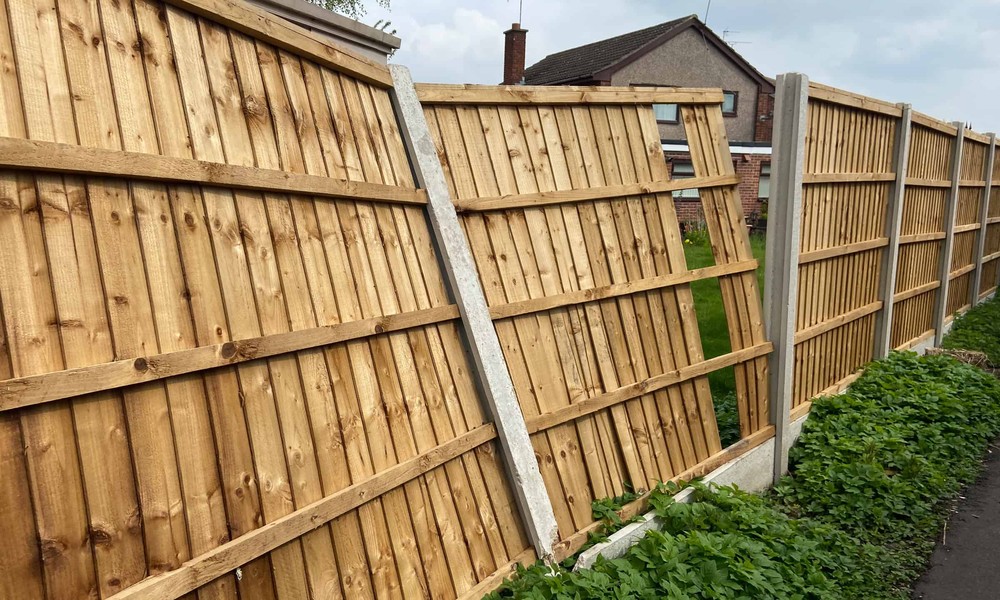
Replacing a full garden fence in one go used to be the normal approach. If one section failed, many homeowners would take the chance to renew the entire boundary. That still happens, but in 2026 I am seeing more people take a phased approach. They replace the worst section first, then plan the rest around budget, access, weather, and garden use. Many start by searching for fencing companies near me because one part of the fence has become a concern, then explore options through York Fencing to decide whether a staged replacement makes sense.
After decades working as a fencing contractor across York, I can understand why this approach is becoming more common. Costs are higher, gardens are used more, and homeowners want practical solutions that fit around real life. Replacing fences in sections can work well, but only if it is planned properly.
Why phased fence replacement is becoming more popular
One thing I see often on local jobs is a boundary where one side has failed much faster than the rest.
That might be the side exposed to wind, the section sitting in wetter ground, or the part installed with older materials. In these cases, full replacement can feel unnecessary.
Homeowners are becoming more selective. They want to deal with the urgent problem without taking on more work than needed.
This is not about cutting corners. Done properly, phased replacement is sensible planning.
Cost is a major driver
Fence installation costs have risen. Timber, concrete posts, fixings, waste removal, and labour all add up.
Replacing a long boundary in one project can be a significant expense.
By replacing sections over time, homeowners can spread the cost while still improving the most vulnerable areas first.
This approach suits families who want long-term improvements without a large one-off spend.
Not every fence fails evenly
Fences rarely age at the same rate across every boundary.
A shaded side may stay damp longer. A west-facing run may take more wind. A section near trees may suffer from roots and leaf build-up.
In York, clay soil adds another layer. Some parts of a garden hold more water than others. Posts in those areas soften or move sooner.
I usually install posts around 600mm to 750mm deep, sometimes more in soft ground, but older sections often vary in depth. That difference shows over time.
Why section replacement needs proper planning
Replacing one section without thinking ahead can create problems.
The new section may sit at a different height. Panel styles may not match. Future sections may be harder to tie in neatly.
A good fencing contractor will look at the whole boundary, even if only one part is being replaced.
That wider view helps ensure today’s work does not create awkward joins later.
Matching materials matters
When replacing fences in sections, material choice is important.
If the existing fence uses timber posts and panels, replacing one section with concrete posts may be sensible, but it needs to be blended carefully.
Concrete posts offer better durability, especially in damp clay soil. But if the rest of the run remains old timber, the transition should be planned cleanly.
The aim is to improve the weak section without making the rest look neglected.
Why homeowners often start with the worst boundary
Most phased replacements begin with the most visible or vulnerable boundary.
That might be the side facing the patio, the part shared with a neighbour, or the section that provides privacy.
Homeowners increasingly prioritise the sections that affect daily use first.
This reflects how gardens are used now. Privacy, seating areas, pets, children, and outdoor workspaces all influence the order of replacement.
Repairs can help buy time for later sections
A phased plan does not mean ignoring the rest of the fence.
Sometimes minor repairs can keep older sections safe while the main replacement is carried out elsewhere.
Homeowners reviewing fence repair support in York often find that targeted repairs can support a staged plan when the wider structure is still serviceable.
The key is knowing which sections can wait and which cannot.
Soil conditions should guide the order of work
In York, ground conditions often decide which section should be replaced first.
Low spots, shaded areas, and damp corners usually fail earlier.
If a fence line sits in heavy clay and stays wet through winter, timber posts are more likely to rot or move.
Those sections should normally be prioritised before cosmetic areas.
Why access affects phased replacement
Access is often overlooked.
Some sections are easy to reach. Others require working through narrow side paths, around planting, or across neighbouring land.
If future landscaping work is planned, it may make sense to replace certain fence sections at the same time.
Good planning avoids doing the same access work twice.
The risk of creating a patchwork fence
The main downside of phased replacement is visual inconsistency.
New panels against old ones can look uneven. Timber colours vary. Heights may not match exactly.
This can be managed with careful material selection and proper setting out.
Over time, timber weathers and blends, but the initial difference should still be considered.
Why concrete posts work well in phased projects
Concrete posts are useful in staged replacements because they create a strong framework for future upgrades.
Once concrete posts are installed, panels can often be changed later without replacing the posts.
This gives homeowners flexibility.
It also means future sections can be upgraded more easily.
Composite fencing and phased upgrades
Composite fencing cost can make full replacement feel expensive.
For that reason, some homeowners choose to install composite in priority areas first, such as around seating spaces or highly visible boundaries.
This creates a low-maintenance section where it matters most, with other areas planned for later.
As long as colours and heights are considered carefully, this approach can work well.
Weather timing makes phased replacement practical
Replacing sections over time allows homeowners to choose better installation windows.
Rather than rushing a full boundary replacement in poor conditions, each section can be planned for drier ground and better access.
This matters in clay soil, where wet conditions make installation more difficult.
A staged approach can improve the quality of each phase.
Neighbour boundaries need extra care
Shared boundaries require communication.
If one section borders a neighbour, the timing, height, and appearance should be discussed clearly.
Phased replacement can help here because it allows homeowners to deal with one boundary at a time rather than opening several conversations at once.
It can make the process less disruptive.
When full replacement is still the better choice
Phased replacement is not always best.
If several posts are moving, panels are badly mismatched, or the whole structure is near failure, replacing all sections together may be more efficient.
Full replacement provides consistency and avoids repeat visits.
An honest assessment should decide the approach, not budget alone.
How to decide which section comes first
The first section should usually be the one with the greatest structural or practical need.
That might mean the section with moving posts, poor drainage, privacy gaps, or storm exposure.
Appearance matters, but structure should come first.
A fence that looks poor but stands firm may wait. A fence that moves under light pressure should not.
Why staged replacement suits long-term homeowners
Homeowners planning to stay in their property often like phased replacement.
It allows them to improve the garden gradually and make decisions based on how the space evolves.
This is especially useful when landscaping, patios, planting, or garden rooms are planned over several years.
How phased fencing fits modern garden planning
Gardens are now planned in stages more often.
A patio one year. Planting the next. A garden office later.
Fencing can follow the same pattern.
Homeowners exploring garden fencing options in York often want boundaries that fit into wider plans rather than one rushed project.
Why replacing fences in sections can be the sensible route
From decades working across York, it is clear that sectional fence replacement can be a smart choice when handled properly.
It spreads cost, reduces disruption, and allows homeowners to prioritise the areas that matter most. The important part is planning ahead, choosing compatible materials, and understanding which sections are urgent.
Done well, phased replacement does not feel like a compromise. It becomes a practical way to build a stronger, better-looking boundary over time.