
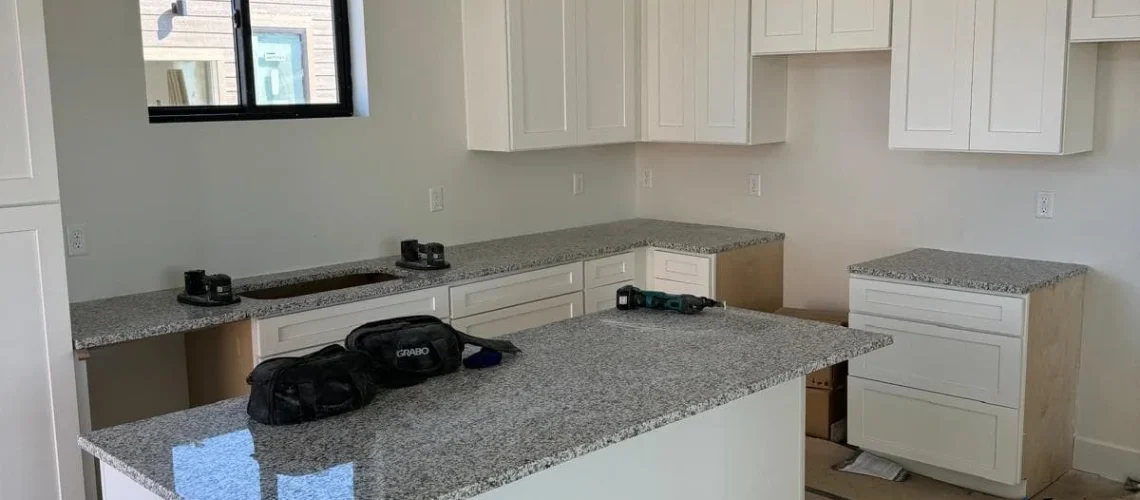
Replacing your countertops promises a dramatic transformation, but even the most stunning surface can become a headache if the installation goes awry. Homeowners often dream of gleaming kitchens or spa-like bathrooms, only to be tripped up by missteps that turn an upgrade into a costly fix. Knowing what to watch for can save you money, time, and frustration, before you even pick out a slab.
Common Installation Pitfalls When Upgrading Countertops
Misjudging what each countertop material can and cannot handle leads to unexpected disappointment. Quartz may resist stains beautifully, but it is not invulnerable to hard impacts. Porcelain excels in the bathroom for its elegance and water resistance, yet it can require special handling for complex edges. For natural stones like granite or marble, their unique patterns can make seam placement a real challenge.
Skipping precise measurements or installing countertops before cabinets are completely set is another common blunder. Cabinet readiness is non-negotiable. Even a millimeter of misalignment can result in a countertop that will not fit or look right, and retroactive fixes are expensive.
Seam and joint visibility often gets overlooked until it is too late. Imagine a gorgeous waterfall island marred by a visible, mismatched seam. Planning for seam placement ahead of time, especially with dramatic veining or pattern-heavy slabs, is essential for that seamless, high-end look.
Complications also arise when ambitious edge profiles or full-height backsplashes are requested without adequate discussion. Intricate details demand precise fabrication and extra care, which only experienced installers can provide.
Choosing the Right Countertop Material to Avoid Installation Issues
Material choice is not just about color or style. Quartz offers outstanding durability and is exceptionally low maintenance, making it popular in busy kitchens. Porcelain slabs are gaining traction for their modern allure, heat resistance, and ease of cleaning, though they need careful handling during cutting and installation.
Natural stone, whether granite, marble, or quartzite, brings one-of-a-kind beauty but requires a savvy approach to seam matching and support. Granite is tough and heat resistant, but heavy. Marble adds luxury but is more delicate, showing chips and etching with less forgiveness.
Matching the right material to the space matters. Kitchen countertops face hot pans and sharp knives, so durability and stain resistance are paramount. In bathrooms, humidity and water exposure mean surfaces must be non-porous and easy to clean. For both, a supplier like Quartz Blanc countertops offers a wide array of premium options tailored to different lifestyles and installation needs.
Preparing Your Space for a Smooth Installation
The best countertop upgrade starts long before the first slab arrives. Cabinets must be fully installed, leveled, and secured, since even minor shifts after measurement can wreck a perfect fit. Clear all work areas and protect nearby floors, walls, and appliances; installation creates dust and the unexpected slip of a heavy slab can damage more than your new countertop.
Custom fabrication and precise cutting rely on flawless measurements, so double-check dimensions with your installer before fabrication begins. Share any special requests, like waterfall edges or full-height backsplashes, at the outset to avoid rushed decisions as installation nears.
Professional Installation Strategies That Prevent Common Problems
An experienced installer is your best insurance policy. Professionals bring the know-how to handle vertical, joint-free installations and can tackle tricky layouts that would trip up a less skilled crew. Seam placement should be mapped out, especially for heavily veined or book-matched surfaces, to create aesthetic continuity.
Efficient coordination from measurement to installation is crucial. Reputable teams can often deliver and install in days after final measurements, minimizing disruption while keeping standards high. Clear communication and careful scheduling prevent rushed jobs and missed details.
Troubleshooting Common Issues During and After Installation
Despite the best planning, issues can arise. If the countertop does not fit perfectly, sometimes minor adjustments or shimming can make up for slight errors. Chips or surface damage need immediate repair to prevent further cracking or staining. Most importantly, proper care, using cutting boards, cleaning up spills, and protecting from excessive heat, will keep your surface looking flawless long after installation.
Actionable Steps to Ensure a Successful Countertop Upgrade
– Research and select a trusted supplier and installer with proven experience.
– Prepare your home and budget for the realities of installation day, including potential downtime.
– Insist on reviewing all measurements and material selections before fabrication starts.
– Participate in a final walkthrough after installation, requesting clear care and maintenance instructions.
Countertop upgrades blend art, science, and craftsmanship. A seamless, lasting finish depends not just on your taste in materials, but on a meticulous process behind the scenes. By sidestepping these common pitfalls, you can enjoy a countertop transformation that is as resilient as it is beautiful.